

Select dimensions in cm, mm, inches, ml, or oz and more — whatever fits your product.

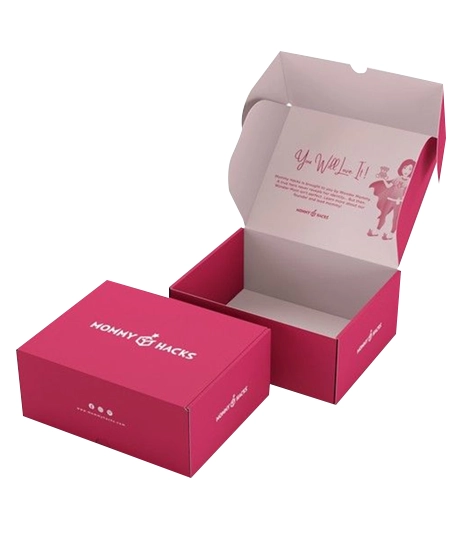
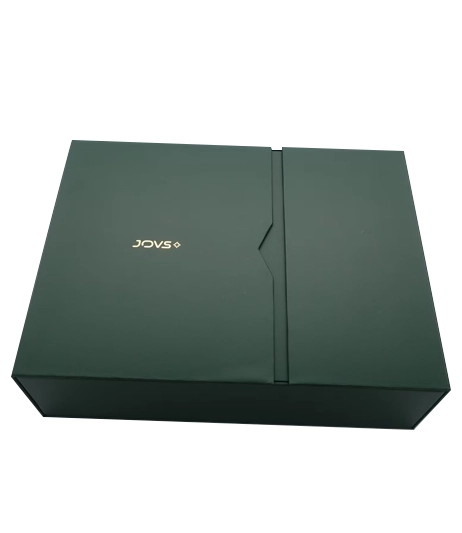
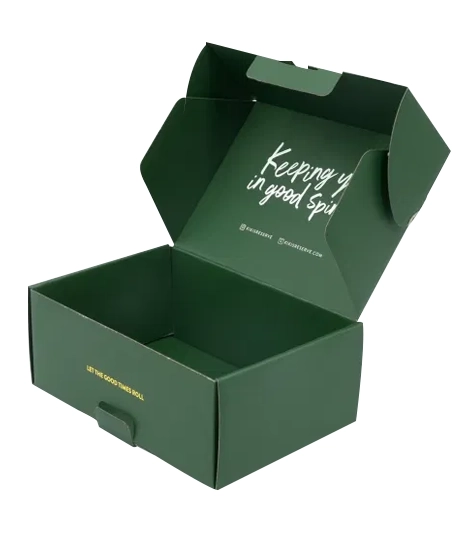
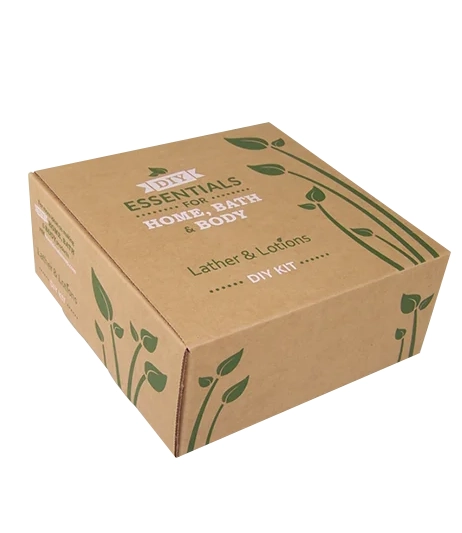
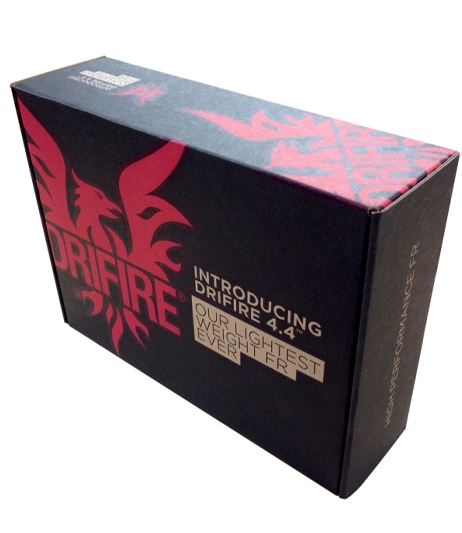
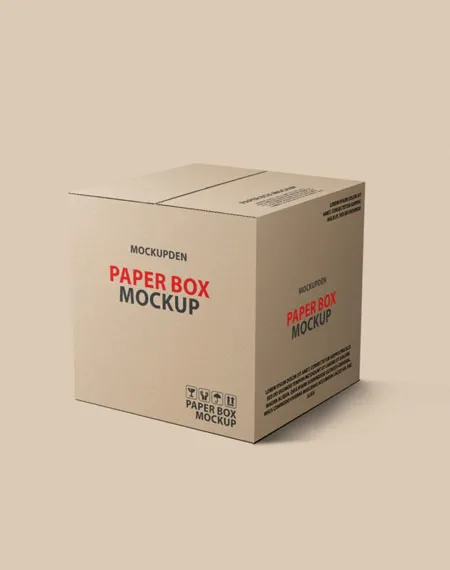
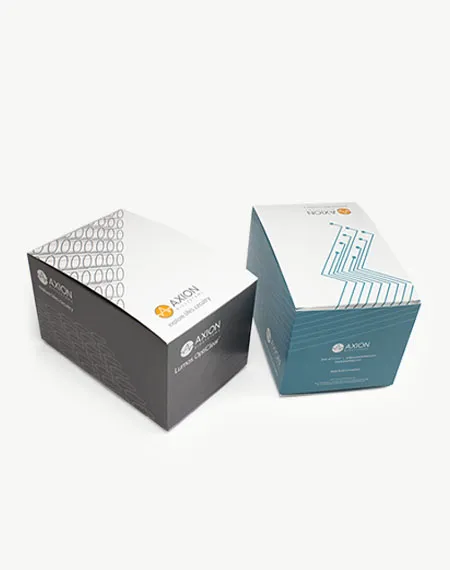
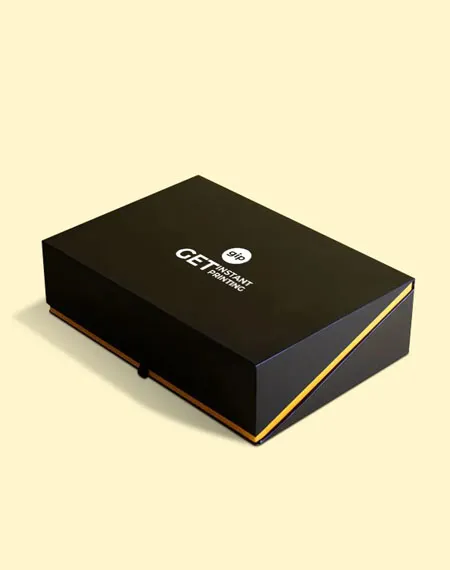
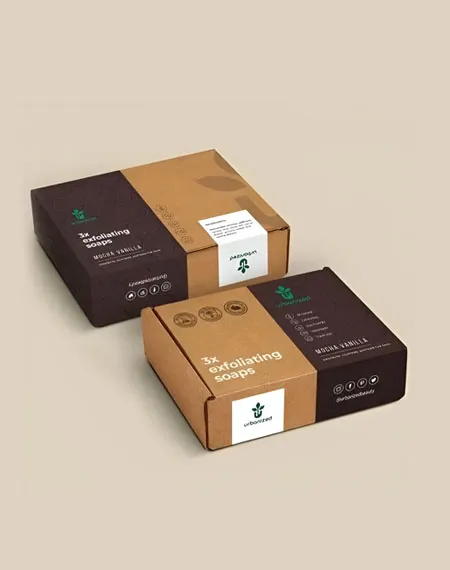
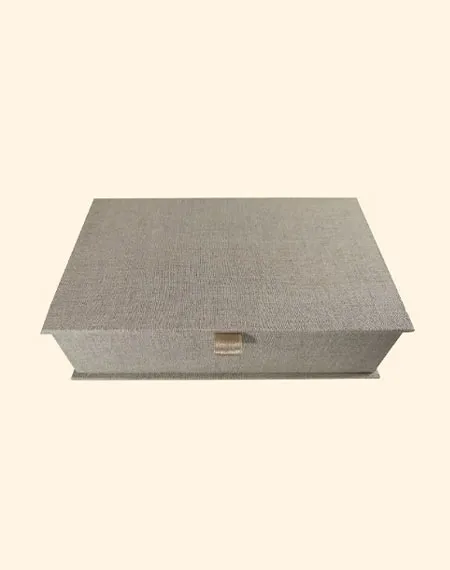
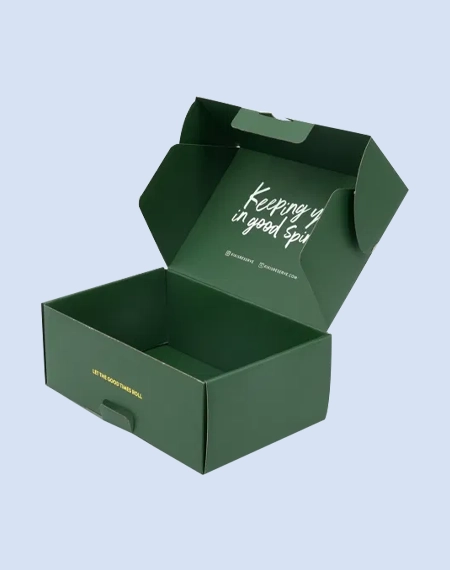
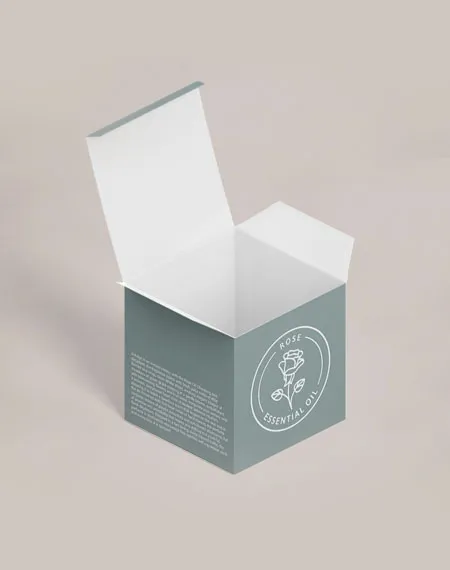
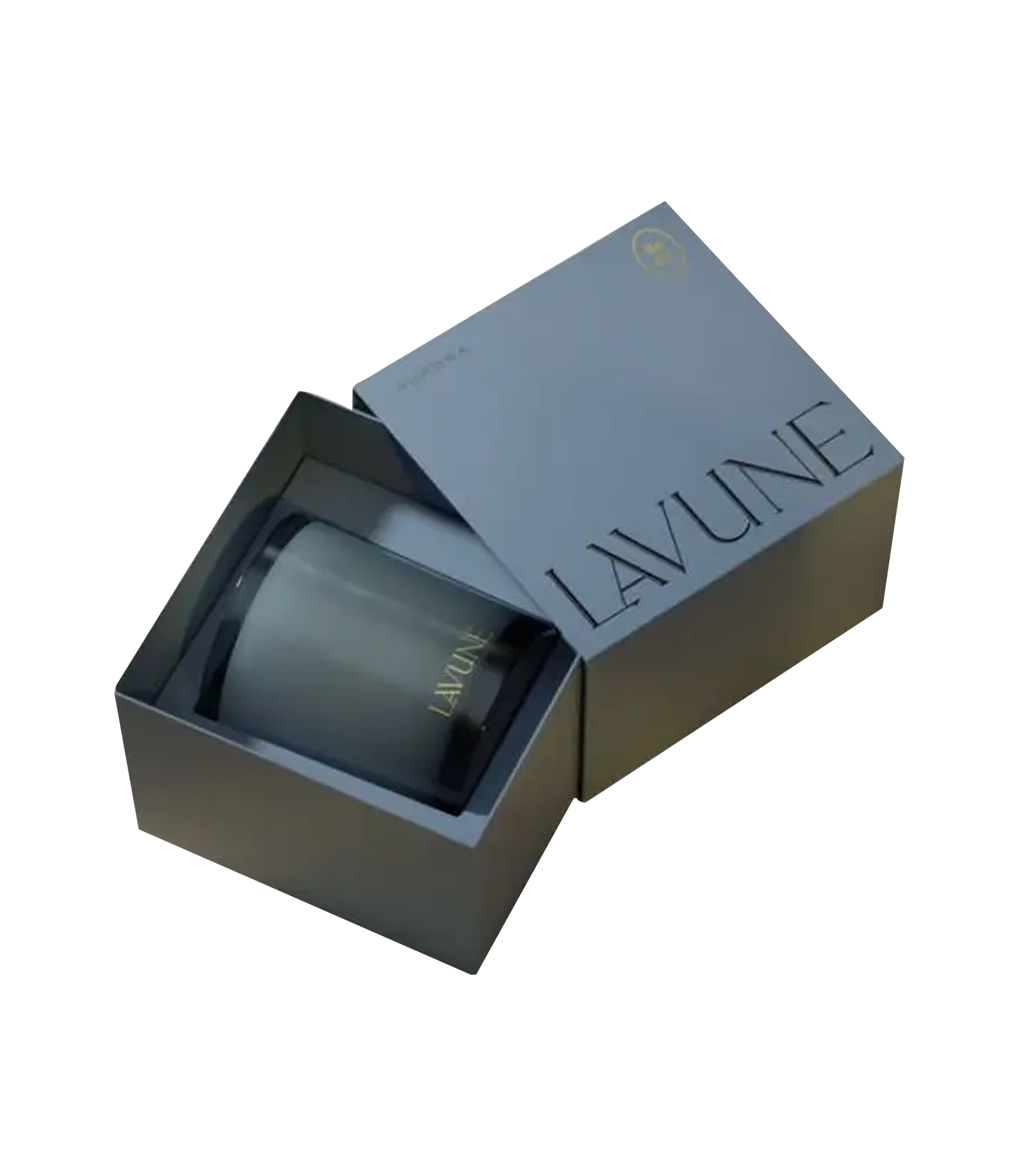
Custom cardboard boxes give businesses a flexible way to package products that need clear branding, practical sizing, and an appropriate retail or presentation format. They can be planned around a single item, a product range, a subscription kit, or a promotional order instead of relying on a generic carton. When a package needs to carry product information, fit the item neatly, display artwork well, and support the way customers handle it, cardboard packaging becomes part of the buying experience. Custom Boxes Inc. can help develop custom cardboard boxes with the size, structure, paper-based material, printing, and finishing choices that fit your product, visual identity, and intended sales channel.

Select dimensions in cm, mm, inches, ml, or oz and more — whatever fits your product.

Choose the Stock, printing type, and enter your order quantity.

Upload your ready artwork — or just write “Need Design” and we'll handle it.

Fill in your name, contact number, and email for quick communication.

Solve a quick captcha and hit “Submit Quote” — it takes seconds!

Our expert will reach out ASAP with the best market rate from a top packaging provider.

After You Approve the Quote — Here's What Happens Next


Custom cardboard boxes give businesses a versatile packaging format for products that need clear communication, considered sizing, and a cohesive branded appearance. A cardboard box can be planned for a retail shelf, an ecommerce order, a product launch, a gift, or a multi-item set, but the best version begins with what the product and customer experience actually require. That includes the dimensions of the item, how it will be displayed or delivered, what information must appear on the pack, and how the package should feel when customers receive it. Custom Boxes Inc. can help businesses develop cardboard packaging around the product’s structure, print needs, material direction, and intended sales channel instead of relying on a generic carton.
The product should shape the cardboard box from the outset. Consider its length, width, height, weight, orientation, surface sensitivity, and whether accessories, instructions, inserts, or multiple components need to be included. Then consider where customers will encounter the package. A retail carton may need a clear front panel and suitable shelf proportions. An ecommerce order may need a format that supports orderly packing and delivery. A gift or promotional set may place more importance on the opening sequence and interior arrangement. These details make it easier to choose an appropriate size and structure before artwork or finishing decisions begin. A cardboard box becomes more useful when it supports the product’s actual journey rather than functioning as a one-size-fits-all outer layer.
The same material category can be used in different structures depending on the product and presentation goal. Folding cartons can suit lightweight retail products that need a compact footprint and printable panel space. Tuck-end, sleeve, display, and gable formats offer different approaches to opening, visibility, handling, and product presentation. A custom cardboard box may need to be simple and functional, or it may need a more defined layout for a kit, a collection, or a product with supporting components. The right choice is not simply the most decorative option. It is the structure that fits the item, provides the necessary space for information, and supports the way the package will be stored, displayed, handed over, or delivered.
Custom sizing gives cardboard packaging a clearer relationship to the contents. A well-proportioned box can make an item feel organized and deliberate rather than lost in unnecessary space. It can also provide a more logical basis for inserts, dividers, trays, manuals, or other internal details when the product needs them. Start with accurate measurements, then consider clearance, orientation, required components, and the way customers will remove the product. The final outer dimensions should work with the selected material and structure as well as the intended channel. For a retail product, panel proportions can influence visibility and product information. For a kit, the internal arrangement may be equally important. Resolving these decisions early prevents the structure from limiting the presentation later.
Material choice affects both how a cardboard box performs and how its artwork appears. Custom Boxes Inc. lists cardstock, kraft, corrugated, rigid, and other paper-based options for custom packaging, each with a different surface character, structural role, and presentation potential. A smooth paperboard-style surface can support detailed retail graphics, while kraft can suit a more natural visual direction. Other material choices can be considered according to product weight, box structure, delivery conditions, print coverage, and the type of presentation you want to create. Material should not be selected only for visual appearance. It needs to work alongside the final dimensions, closure style, contents, and printing plan so the completed package supports both product use and brand communication.
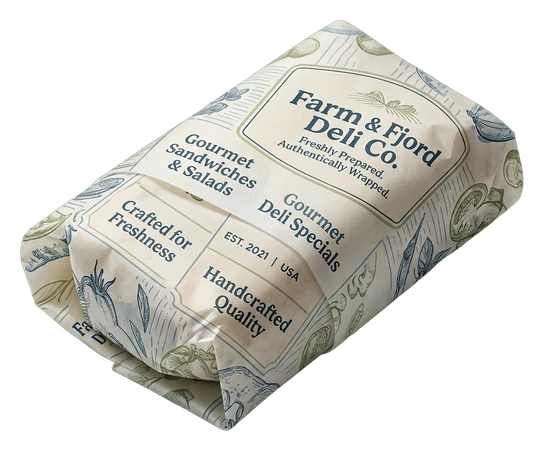
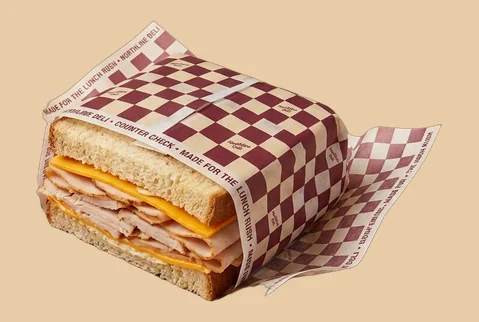
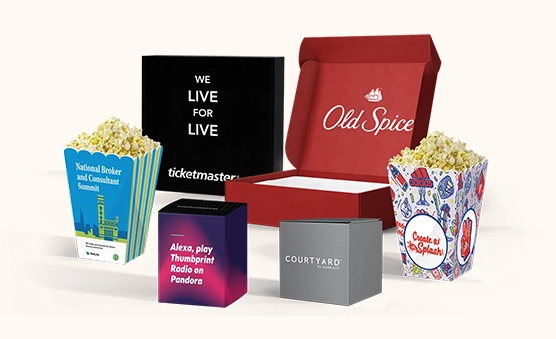
Cardboard packaging can carry far more than a logo. The available panels can be planned for a product name, variant details, directions, imagery, patterns, barcodes, promotional messaging, or a consistent color system across a range. Custom Boxes Inc. lists digital and offset printing, along with CMYK and PMS color workflows, for appropriate projects. The best approach depends on the artwork, material, quantity, color expectations, and required print coverage. Once the structure is confirmed, the design can be organized around the panels customers will see first and the information they need at later stages. Clear hierarchy matters: customers should be able to identify the product, understand its important details, and recognize the brand without the packaging feeling crowded.
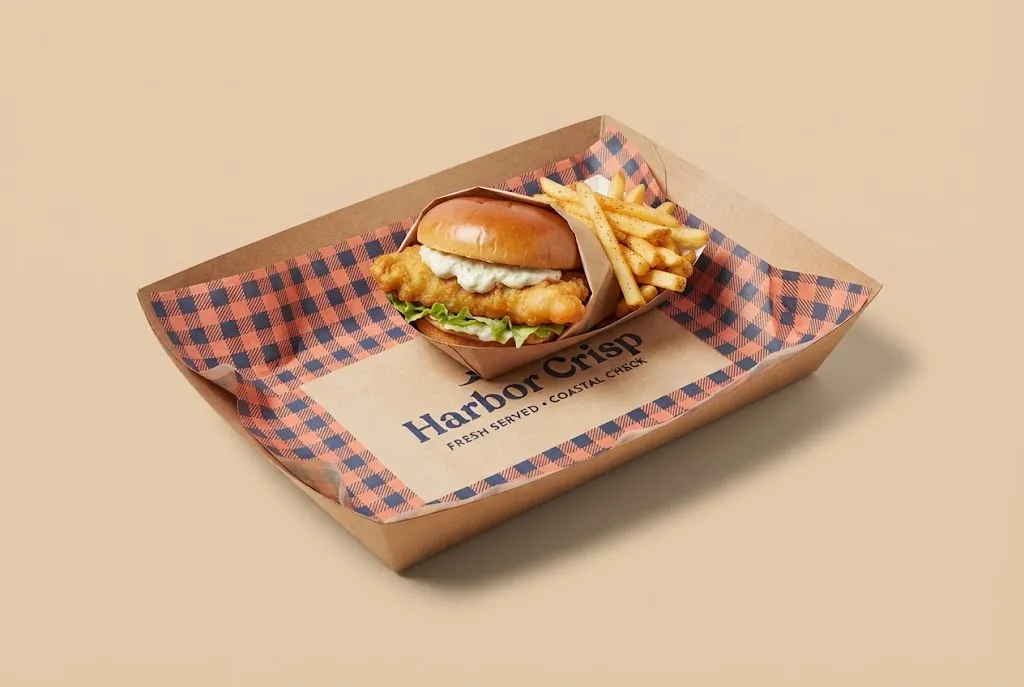
A custom cardboard box can have different priorities in different channels. Retail packaging may need to communicate quickly when customers compare products on a shelf. Ecommerce packaging may need to work with an order-packing process while still arriving as a considered brand touchpoint. A product set may need a layout that keeps individual pieces in place, while promotional packaging can make the opening sequence part of the campaign. These requirements influence size, panels, internal organization, print placement, and selected finishes. By sharing the intended use when requesting a quote, you make it easier to compare cardboard-box options according to how the package will be seen, handled, and opened in the real world.
Artwork should be developed with the actual cardboard-box layout in mind. A dieline identifies the panels, folds, closures, and safe areas that shape where important elements can go. Before final approval, review the dimensions, panel allocation, logo clearance, text placement, product information, and relationship between graphics and cut or fold lines. If the design includes finishes such as matte or gloss treatments, soft-touch effects, foil stamping, embossing, debossing, or spot UV, decide where they strengthen the hierarchy rather than adding every available effect. Custom Boxes Inc. states that design assistance is available when support is needed with packaging development. Joining structural and visual decisions early helps create a clearer final direction for the full order.
A useful quote request should explain what you are packaging and how the box will be used. Share the product dimensions and weight, expected quantity, desired style, material ideas, artwork status, printing needs, finish preferences, internal components, and delivery location. If you are developing a range, identify which elements should remain consistent and which will change by product. These details help turn broad preferences into practical choices about size, structure, material, printing, and presentation. The result is a better basis for comparing packaging options before the project moves toward production.


Answers to Help You Order with Confidence
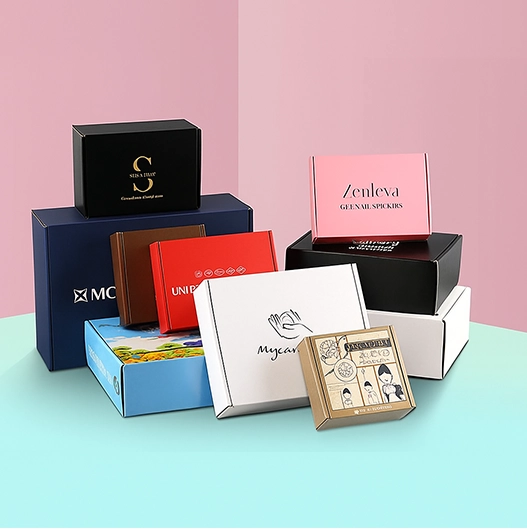
Custom cardboard boxes can be used for retail products, ecommerce orders, gifts, promotional packaging, product kits, and many other applications. Their final size, structure, printing, and internal details can be planned around the product and the way customers will receive it.
Yes. Custom sizing can be developed around your product’s measurements, weight, accessories, and required internal space. Providing accurate dimensions helps determine a more suitable box size, structure, and layout.
The appropriate material depends on the product, box structure, printing needs, delivery conditions, and intended presentation. Cardstock, kraft, corrugated, rigid, and other paper-based options can each suit different packaging requirements.
Yes. Cardboard boxes can be planned for logos, artwork, product names, variants, directions, barcodes, colors, and promotional messages. Share your files and design requirements so the artwork can be reviewed against the selected structure and panel layout.
Pricing depends on the dimensions, box style, material, quantity, print coverage, finishing, internal details, and delivery needs. Send your product details and expected order quantity to Custom Boxes Inc. for a project-specific quote.
Custom Boxes Inc is a leading manufacturer and supplier of custom packaging boxes tailored for every product and industry. From startups to global brands, we empower businesses across the USA with cost-effective, high-quality, fully personalized packaging solutions — crafted with precision, delivered with speed. Whether you need eco-friendly cardboard boxes, rigid luxury boxes, or branded retail-ready display packaging — we've got you covered with endless customization options, low MOQs, and lightning-fast turnarounds.